








What Is Myopia?

Myopia is an eye condition that causes blurry long-distance vision, often called "short-sighted" or "near-sighted". A person with myopia can see clearly up close – when reading a book or looking at a phone – but words and objects look fuzzy on a blackboard, on television or when driving. But a pair of glasses aren't the whole story.
The prevalence of myopia in children is growing quickly worldwide. Myopia in kids tends to progress or get worse throughout childhood, and higher levels of myopia are associated with higher eye disease risks in adulthood. If your child already wears glasses, you can do something to slow their vision worsening. If they don't you can assess their risk of developing myopia.


What causes myopia?
If a person’s eyeball is too long or their cornea (clear window at the front of the eye) is too curved, it affects where light is focussed inside the eye. Instead of hitting the retina at the back of the eye to give clear vision, light falls short, causing objects in the distance to appear blurry. It’s like setting up a projector; the image won’t be clear if the screen is positioned too far away from the projector.
Babies & Toddlers
It can be hard to diagnose myopia in babies and toddlers as they often don’t realise or can’t communicate the problem. Myopia in very young children can commonly be genetic or even associated with particular conditions of general health. Watching for signs and seeking regular eye exams is important.

Children
Myopia in children typically develops when the eyes grow too long, too quickly, compared to expected rates, or continue to grow after age 10–12 when eye growth should normally cease. Short-sightedness or myopia in children has been increasing, in part due to the increased use of handheld electronics and less time spent outdoors.

Teenagers
Myopia can continue to worsen in teenagers who have had it from earlier childhood, or it can develop for the first time around puberty. Teenagers tend to have strong visual habits around screens, which can influence vision and eye health. Clear and stable vision is important for school, sport and hobbies.

Young Adult
Adult onset myopia can develop when the muscles used for focussing the eyes up close become strained or fatigued. It can also be due to genetics or environment, such as less time spent outdoors. Often it occurs with an increase in close work, such as university studies or working with screens.
Why should I be concerned about myopia?
Because children are constantly growing, myopia tends to progress or get worse throughout childhood and the teenage years. The condition develops more quickly in younger children than in older children, as their eyes are growing at a faster rate. Normal eye growth occurs in the first decade of childhood, but in myopia this occurs too quickly and for too many years throughout childhood.
Myopia is concerning for two main reasons: progressively worsening vision throughout childhood, and an increased risk of eye diseases in adulthood.

Long term impacts
Higher levels of myopia are associated with higher risk of eye diseases in adulthood such as retinal detachment, myopic macular degeneration, cataracts and glaucoma. Some of these can occur in early adulthood, and some can lead to vision impairment.

Short term impacts
Frequent changes in prescription means children with progressive myopia have unstable, changing vision between eye exams.
Why does myopia develop?
Myopia can develop during childhood, adolescence or adulthood, and can be caused by a variety of different factors, some of which are out of our control.

Too much close work
Spending more time on close work has been linked to development of myopia. This includes reading, drawing, playing computer games, and using smartphones or tablets. The rise in the popularity of handheld devices means that children are now exposed to close work from younger and younger ages, putting them at a higher risk of myopia development.

Genetics
While it is often linked to environmental factors, myopia can also be hereditary. A person with one short-sighted parent has 3 times the risk of developing myopia, or 6 times the risk if both parents are short-sighted. Research also suggests a link between Asian ethnicity and faster progression of myopia, with a higher worldwide rate in this group.

Under- or over-corrected vision
Under- or over-corrected vision has been shown to promote the onset and accelerate the progression of myopia. Not wearing the correct glasses prescription, or not wearing glasses when they are needed, can cause eye strain that distorts the shape of the eye, leading to short-sightedness.

Not enough time outdoors
Research has found that spending time playing outside as a child may reduce the chances of becoming short-sighted, and may slow the progression of existing myopia. This may be related to light levels outdoors being much brighter than indoors. Both sport and relaxation outdoors appear to be beneficial in reducing the risk of short-sightedness.
How can I slow myopia progression?
Understanding the causes and symptoms can help to reduce the risk of myopia in your child, or slow down its progression.
Look out for early signs
The earlier you catch signs of myopia, the more can be done to treat it and slow down progression. Familiarise yourself with the symptoms of myopia and pay close attention to how your child interacts with their environment.
Book regular eye tests
Younger children may not realise or be able to communicate that there is a problem with their vision, so regular eye tests are extremely important. An eye care professional will be able to examine your child’s eyes to assess their vision and eye health.

Take breaks from close work
Reading, learning from screens and doing homework are important for children and teens, but they should take short breaks from close work every 20 minutes to relax the focussing muscles of the eyes. Keeping at least a forearm’s distance between their eyes and their close work at all times helps to reduce eye strain and risk of myopia.
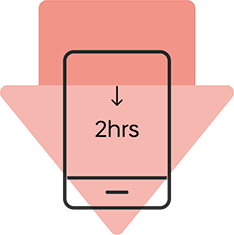
Limit screen time
Younger and younger children are using smartphones and tablets on a regular basis. However, too much screen time is linked to myopia, eye strain and dry eye symptoms. School-aged children and teens should ideally not spend more than two hours per day outside of school on screen time.

Encourage time outdoors
There is evidence to suggest that exposure to outdoor light is beneficial in slowing the onset and progression of myopia. Children should be encouraged to spend 90 minutes outdoors every day, whether that’s walking, relaxing or playing sport, but should make sure to wear a hat and sunglasses and seek shade to prevent UV damage.

Ask about myopia treatments
Standard spectacles and contact lenses correct blurred vision but don’t slow down the worsening of myopia. Special types of spectacles and contact lenses for children and teens can do both, while atropine eye drops have been shown to help slow myopia. Ask your eye care professional about which of these may best suit your child.

Further reading if your child is already myopic.
As well as the steps outlined above, there are a number of options available to slow the progression of myopia and minimise worsening vision and the risk of more serious eye health concerns.
Special types of spectacles and contact lenses currently offer the best vision correction options to slow the progression of myopia, although some work more effectively than others. Standard types of spectacles and contact lenses don’t offer the benefit of slowing myopia progression, and will only correct your child’s blurred vision.
Atropine eye drops have also been shown to slow the progression of myopia. Different concentrations have different effectiveness, so it might take time to find the right option for your child. It’s important to note that these eye drops don’t correct vision, so your child will still need spectacles or contact lenses.
For more advice on slowing the progression of myopia, head to our knowledge centre. Our clinical website for eye care professionals, Myopia Profile, also provides more detail.