




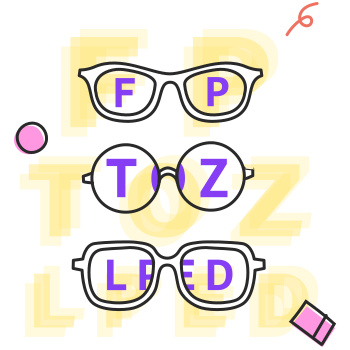
Miopia, często nazywana krótkowzrocznością, jest zaburzeniem wzroku, które powoduje rozmyte widzenie na dużych odległościach. Osoba z krótkowzrocznością może widzieć wyraźnie z bliska, na przykład podczas czytania książki lub patrzenia na telefon, jednak odległe obiekty, takie jak szyldy sklepowe lub ekrany telewizyjne, mogą być rozmyte lub trudne do odczytania.
Większe krótkowzroczne wady wzroku związane są z większym ryzykiem choroby oczu w wieku dorosłym. Z tego powodu ważne jest, aby monitorować zdrowie oczu dziecka i upewnić się, że wszelkie objawy krótkowzroczności są sprawdzane przez specjalistę.
Standardowym sposobem postępowania w przypadku krótkowzroczności u dziecka jest zastosowanie specjalnych rodzajów okularów korekcyjnych lub soczewek kontaktowych. Poza ich zastosowaniem niezbędne jest wprowadzanie zmian w nawykach dziecka i w jego codziennych aktywnościach, aby spowolnić proces pogłębiania się krótkowzroczności.
Myopia Control Product Compendium.
This is the first resource in the world to bring together simple articles alongside clear information about myopia control products for children and teenagers.
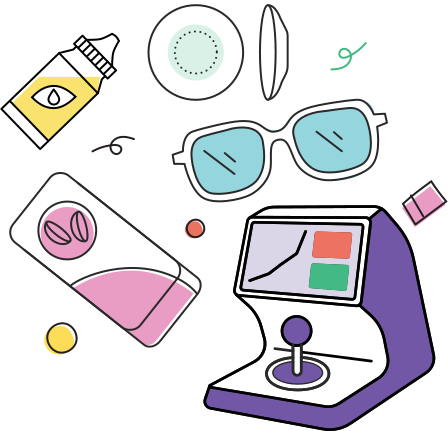
It covers options like special spectacle lenses, soft contact lenses, orthokeratology, atropine eye drops, and instruments used for treatment and monitoring.
You'll find everything you need to understand what treatments are available, how well they work, and the benefits and options for kids and teenagers with myopia.
Nasze przydatne przewodniki wideo obejmują wszystko: od podstaw zarządzania progresją krótkowzroczności u dzieci, po szczegółowe przewodniki dotyczące aplikacji i usuwania soczewek kontaktowych. Upewniliśmy się, że są proste, łatwe do naśladowania i pełne niezbędnych informacji, które pomogą Ci wspierać zdrowy rozwój wzrokowy dziecka.
Managing Myopia Guidelines
Kids and contact lenses
How to effectively wash your hands
What to expect in your young child's first eye exam
Using training flippers
Applying eye drops to your own eyes or someone else’s eyes
Close work and outdoor time habits to promote healthy eye development in children
How to safely apply and remove a soft contact lens
Maintain a healthy visual environment for children during COVID pandemic restrictions
How to safely apply a soft contact lens to your child's or someone else's eye
Safely remove a soft contact lens from your child's or someone else's eye
Apply and remove an orthok lens
Apply an orthok lens to your child's or someone else's eye
Remove an orthok lens from your child's or someone else's eye
Cleaning soft contact lenses using multipurpose solution
Cleaning orthokeratology lenses using Menicare solution
Cleaning soft or orthokeratology lenses using peroxide solution
Using Menicon Progent cleaner on orthokeratology lenses
Więcej o My Kids Vision
Platforma My Kids Vision, opracowana przez specjalistów ochrony wzroku i naukowców, dr Paul and dr Kate Gifford, jest bezpłatnym narzędziem online, które pomaga rodzicom oceniać i zarządzać ryzykiem krótkowzroczności ich dzieci.
Pracując nad projektem Myopia Profile, kliniczną i naukową stroną internetową wspierającą specjalistów ochrony wzroku w prowadzeniu dzieci z krótkowzrocznością, Paul i Kate zauważlyli zapotrzebowanie na źródło wiedzy na temat miopii dedykowane dla rodziców, które dostarczyłoby zasobów pomagających nawigować przez proces diagnozy i kontrolowania krótkowzroczności dziecka.
My Kids Vision ma na celu pomóc rodzicom w lepszym zrozumieniu krótkowzroczności i jej wpływu na życie codzienne, dostarczając w jednym miejscu wszystkich narzędzi i zasobów potrzebnych do wspierania zdrowego rozwoju wzrokowego ich dzieci.